
Reviewed · WHALE WATCHING
Tenerife: Whale Watching Boat Tour with a Marine Biologist
The best part of this Tenerife boat trip is the hydrophone, which lets you hear the underwater calls of whales and other cetaceans instead of simply scanning the sea for a fin. A marine biologist explains what you are seeing, and the small boat keeps the outing quiet and personal.
I like the respectful approach to wildlife, with boats observing from a proper distance rather than chasing animals. I also like the maximum of 10 passengers, which gives you more room to see, ask questions, and hear the guide. The main catch is physical: rough water and boat movement make this a poor choice if you have back or neck problems, recent surgery, or weigh more than 130 kilograms.
In This Review
- Key points at a glance
- Setting out from Las Galletas
- The 15-minute safety briefing
- Along the lava formations of Malpaís de Rasca
- Watching dolphins, turtles, and whales
- Hearing the sea through a hydrophone
- Guidance from a marine biologist
- What the 2.5 hours feel like
- Why the 10-person limit matters
- Price, inclusions, and practical value
- What to bring to the port
- Who should book this boat trip?
- Should you book Biosean in Las Galletas?
- FAQ
- Where does the whale-watching tour depart from?
- How long does the activity last?
- How many people can join the boat?
- What languages does the guide speak?
- Is a marine biologist included?
- Is a hydrophone included?
- Is parking available near the meeting point?
- Who should not join this activity?
Key points at a glance
- A hydrophone changes the outing: You listen to cetacean sounds below the surface, not just watch for movement above it.
- Only 10 passengers join the boat: This is a quieter setup than a crowded sightseeing cruise.
- Malpaís de Rasca provides the scenery: Black volcanic formations frame the route along Tenerife’s southern coast.
- A marine biologist leads the trip: The guide explains animal behavior, calls, and habitat in Spanish, English, French, or Italian.
- The trip can include field-study work: You are not only sightseeing, but also taking part in a simple marine research effort.
- Las Galletas is easy to reach by car: Free parking is available near the beach, while port parking costs €1.20 per hour.
Setting out from Las Galletas
This tour begins at Biosean Whale Watching and Marine Science in the port of Las Galletas. You go to Dock Number 4, gate 4, then walk about one minute to the safety-briefing area.
The meeting point is practical for drivers. A large free parking lot sits in front of the beach beside the port, and you can also park inside the port for €1.20 per hour. I would allow extra time to find the correct dock, especially if you are unfamiliar with the harbor.
There is no hotel pickup or drop-off, so you need to arrange your own way to Las Galletas. Food and drinks are not included, and large bags are not allowed on board. Bring only what you need for the boat.
The location gives you a useful start to the outing. You are not spending the first part of the trip on a long transfer from a resort. Instead, you reach the port, attend the briefing, and get on with the marine activity.
More whale watching trips from Tenerife:
- Tenerife: Eco-Yacht Whale and Dolphin Watching and Swimming
★ 4.7 · 15,619 reviews - Los Cristianos Respectful No-Chase Whale and Dolphin Safari
★ 4.6 · 12,782 reviews - Costa Adeje: Whale & Dolphin Eco-Cruise with Snacks & Drinks
★ 4.6 · 5,096 reviews
The 15-minute safety briefing
The safety briefing lasts about 15 minutes. This is more than a quick warning about where to sit. It prepares you for a trip where the boat may move, wildlife sightings require patience, and respectful behavior matters.
You are told what to expect on the water and how to act around marine life. Feeding animals and touching marine life are not allowed. Alcohol, drugs, explosive substances, baby carriages, luggage, and large bags are also prohibited.
The rules may feel obvious, but they support the whole point of the trip. The animals are not there for a performance. You are asked to watch without interfering, which makes the encounter more responsible and more natural.
The boat trip is not suitable for people with back problems, neck problems, recent surgeries, or a body weight over 130 kilograms. I would take that warning seriously. A short trip can still involve jolts, spray, and repeated movement as the boat follows the water.
Along the lava formations of Malpaís de Rasca
Once the boat leaves the port, the route follows the southern coast toward the volcanic formations of Malpaís de Rasca. This area gives the whale-watching trip a second subject: the stark black lava shoreline.
The coastal scenery is a fine match for the marine setting. You see Tenerife from the water, with the island’s southern coast behind you and the distant island of La Gomera visible in the wider view. The scenery is not soft or manicured. It is hard volcanic rock meeting open sea.
I like this part because it gives you something to notice while the crew searches for animals. Whale watching has pauses. You may spend time looking across apparently empty water before something surfaces. The lava formations and island views make those quiet stretches worthwhile.
The route also helps place the wildlife in its proper setting. A marine biologist can explain cetaceans as animals using a living habitat, not as isolated sights that appear on demand. That context is one reason this trip offers more than a fast boat ride.
Watching dolphins, turtles, and whales
The main focus is marine-mammal viewing. You might see dolphins, whales, or other cetaceans, and the trip can also bring sightings of turtles. One especially notable outing included a group of sperm whales, while another included dolphins and turtles.
I would keep your expectations sensible. The boat is going out to look for wildlife, not to deliver a guaranteed animal checklist. The strength of this trip is the way the guide helps you understand behavior and sound when animals appear.
The small group matters here. With only 10 people, you are less likely to be boxed in by a crowd when everyone turns toward a sighting. You can move your attention between the water, the guide, and the coast without the noise and confusion associated with a large excursion boat.
The boat can also move quickly, which adds a little fun between viewing areas. One outing was praised for the speedy ride, but speed is not the purpose of the trip. The important point is that the crew combines movement with a respectful distance from the animals rather than chasing them.
If you bring a camera, keep it ready, but do not let it control the outing. A fin or back can appear and vanish quickly. Sunglasses help with glare, and a hat and sunscreen are sensible in the open sun. Wear comfortable clothes and bring a jacket, since the boat can feel cooler than the harbor even on a warm Tenerife day.
A completely different side of the island:
- Siam Park Entry Tickets
★ 4.5 · 15,710 reviews - Tenerife: Loro Parque Entry Ticket
★ 4.8 · 12,411 reviews - Loro Parque and Siam Park Combined Admission Tickets
★ 4.7 · 7,307 reviews - Tenerife: Kayak and Snorkel with Turtles, Wetsuits Included
★ 4.6 · 7,215 reviews
Hearing the sea through a hydrophone
The hydrophone is the feature that gives this tour its special character. Instead of relying only on your eyes, you listen to the sounds made by cetaceans beneath the surface.
That changes your sense of distance. An animal you cannot see may still be present in the water, and its calls become part of the encounter. The marine biologist helps connect those sounds with animal behavior and habitat.
For me, this is the strongest reason to choose this tour over a basic sightseeing cruise. A standard boat trip can give you a pleasant view and perhaps a photograph. The hydrophone adds a layer of field observation, making you pay attention to what is happening below the boat.
The sound equipment does not turn the outing into a lecture. You are still outside, moving along the coast, watching for wildlife, and sharing the excitement of a possible sighting. The guide’s explanations give structure to the experience without taking away the sense of discovery.
The trip also includes participation in a field study. The provided details do not specify every task involved, so you should not expect a formal scientific course. Think of it as a chance to contribute to observation work while learning how marine research connects with responsible whale watching.
Guidance from a marine biologist
The guide is central to the quality of this trip. Your leader explains cetaceans, their calls, their behavior, and the waters where they live. Languages offered are Spanish, English, French, and Italian.
Raul is one of the named guides connected with the experience. He has been singled out for clear explanations about the animals seen and for making the outing engaging. You may not have Raul on your departure, but the format remains the same: a marine biologist leads the activity rather than a guide who simply points out animals.
That distinction matters. A guide can tell you that a whale has surfaced. A marine biologist can help you think about why the animal is there, how it communicates, and how a boat should behave around it.
The language choice is another practical advantage. If you are comfortable in English, Spanish, French, or Italian, you can follow the explanations directly. Ask questions during the trip. The small group makes it easier to speak with the guide than it would be on a boat carrying dozens of people.
What the 2.5 hours feel like
The activity lasts 2.5 hours, including the 15-minute safety briefing and about 2 hours and 15 minutes of marine-life viewing. That is a good length for a focused outing.
A shorter ride might leave you feeling rushed, especially when wildlife sightings require time. A much longer cruise could become tiring if the sea is active or sightings are slow. This schedule gives you a solid stretch on the water without taking an entire day.
The time is not divided into a fixed list of guaranteed stops. After the briefing, the boat spends the main portion of the trip traveling through the coastal waters, searching, watching, listening, and learning. The route can feel flexible because the crew’s attention is guided by marine life rather than by a rigid sightseeing timetable.
You return to Biosean in Las Galletas at the end. Plan the rest of your day around a 2.5-hour commitment, plus time to park and reach the dock. Starting times vary, so check the available departure before booking.
Why the 10-person limit matters
A maximum of 10 passengers is a real benefit, not just a marketing detail. On a wildlife trip, space affects how easily you can see, hear, and respond when the guide spots something.
A small boat also makes it easier to ask questions. You are not competing with a large crowd for the guide’s attention, and the hydrophone becomes a shared listening experience rather than a distant demonstration.
There is a trade-off. A small boat may feel more exposed to wind and movement than a large vessel. If you are prone to discomfort on the water, choose your clothing carefully and consider the medical restrictions before booking. The boat’s compact size helps with personal attention, but it does not remove the physical motion of the sea.
For couples, solo visitors, and small groups who prefer a calm setting, this arrangement is particularly appealing. It also suits anyone who wants the educational side of marine wildlife rather than a loud party boat.
Price, inclusions, and practical value
The price is $77 per person. That is not the cheapest way to get on the water in Tenerife, but the comparison should not stop at the boat ride.
Your fee covers the 2.5-hour whale-watching cruise, a marine biologist guide, and use of a hydrophone. You are also getting a small-group format, volcanic coastal scenery, wildlife viewing, and a field-study element.
I see the value in the combination. If you only want a quick cruise, another option may cost less. If you want a quieter outing with specialist explanations and underwater listening, the price is easier to justify.
You need to budget separately for transportation, food, and photos. Hotel pickup is not included, and the operator does not provide photographs. Bring your own camera, but remember that good sightings are never improved by leaning too far over the side or ignoring the guide’s instructions.
The booking terms are useful for uncertain plans. You can cancel up to 24 hours before departure for a full refund, and you can reserve now and pay later. Check the exact departure time and availability before you commit.
What to bring to the port
Keep your packing simple. Large bags and luggage are not allowed, so take only compact personal items that you can manage easily on a small boat.
Bring:
- Sunglasses
- A hat
- Sunscreen
- A camera
- A jacket
- Comfortable clothing
- Clothing suited to the weather
The jacket deserves special attention. Tenerife’s south coast is often associated with warm weather, but open water can feel cool, especially when the boat is moving. Weather-appropriate clothing gives you more comfort during the quieter periods of the trip.
A camera is welcome, but photos are not included as part of the tour. The hydrophone and the guide’s explanations are the pieces you cannot recreate later, so make room for listening as well as photographing.
Who should book this boat trip?
I would recommend this tour to you if you want marine wildlife presented with care and context. It suits people who enjoy nature, coastal scenery, small groups, and asking questions.
It is also a strong choice if you want something more thoughtful than a fast sightseeing cruise. The combination of a marine biologist, hydrophone, and field-study participation gives the trip a clear purpose.
You should think twice if you need guaranteed sightings, dislike boat movement, or want a large stable vessel with plenty of room. The tour is also unsuitable for anyone with back or neck problems, recent surgery, or a body weight above 130 kilograms.
Families should check the restrictions carefully before booking, especially if a baby carriage or large amount of equipment would be needed. Since baby carriages are not allowed, this is better for people who can travel light and follow the boat’s safety rules.
Should you book Biosean in Las Galletas?
Book this tour if you want to listen as well as look. The hydrophone, marine-biologist guidance, and 10-person limit make it a strong pick for anyone who values respectful wildlife watching over a crowded excursion.
The outing is best treated as a marine observation trip, not a guaranteed whale show. You may see dolphins, turtles, or whales, and a sperm-whale sighting is possible, but the lasting value comes from understanding the animals and their habitat.
For a price of $77, I think the experience offers good value when you want specialist guidance and a small boat. Skip it if the physical restrictions apply to you, if you need hotel transportation, or if you would rather spend your Tenerife budget on a simple coastal cruise.
FAQ
Where does the whale-watching tour depart from?
The tour departs from Biosean Whale Watching and Marine Science at Dock Number 4, gate 4, in the port of Las Galletas.
How long does the activity last?
The full activity lasts 2.5 hours. This includes a 15-minute safety briefing and about 2 hours and 15 minutes of marine-life viewing.
How many people can join the boat?
The group is limited to a maximum of 10 participants.
What languages does the guide speak?
The live guide service is available in Spanish, English, French, and Italian.
Is a marine biologist included?
Yes. A marine biologist guide is included in the whale-watching cruise.
Is a hydrophone included?
Yes. The tour includes a hydrophone for listening to cetacean sounds underwater.
Is parking available near the meeting point?
Yes. A large free parking lot is in front of the beach next to the port. You can also park inside the port for €1.20 per hour.
Who should not join this activity?
The tour is not suitable for people with back problems, recent surgeries, or neck problems. It is also not suitable for people weighing more than 130 kilograms.
Recently added around Tenerife
- Tenerife: Luxury Private Whale & Dolphin Watching Tour★ 4.9 · 14 reviews
- Teide National Park: Moonlight Tour & Stargazing Experience★ 5.0 · 14 reviews
- Discover Scuba Diving, free pictures included★ 5.0 · 14 reviews
- Ticket to Aqualand Tenerife★ 4.0 · 15 reviews
- Forest & Off Road National Park Quad Biking Tour★ 5.0 · 14 reviews
- private charter 3 Hours Whale Encounter puerto colon adeje★ 5.0 · 14 reviews
- Tenerife Under The Sea – dive into 1-1 personalised experience★ 5.0 · 15 reviews
- Wine Tasting Experience in Tenerife★ 4.5 · 15 reviews
Whale Watching, compared.
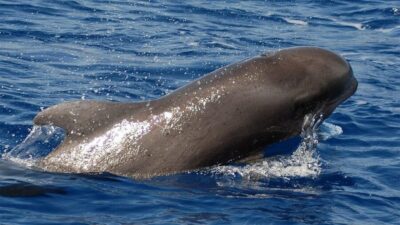
Eco-Yacht Whale and Dolphin Watching and Swimming
Read our review →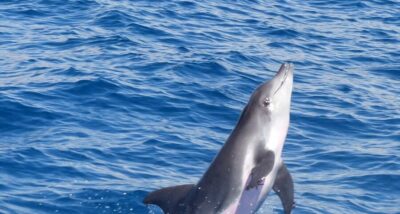
Los Cristianos Respectful No-Chase Whale and Dolphin Safari
Read our review →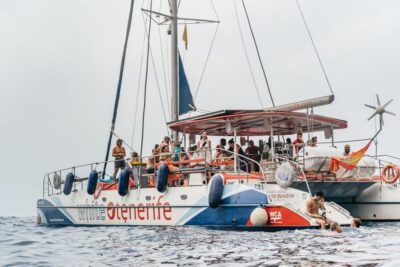
Whale & Dolphin Eco-Cruise with Snacks & Drinks
Read our review →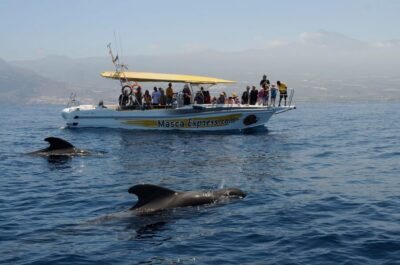
Dolphin & Whale Watching Cruise with Swim Stop
Read our review →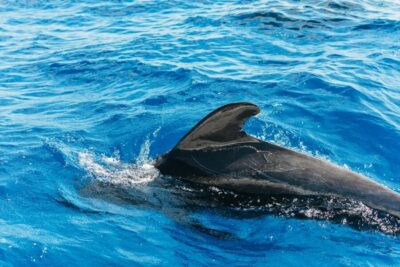
Whale & Dolphin Watching with Drinks and Snacks
Read our review →
Whale and Dolphin Watching Catamaran with Transfer and Buffet
Read our review →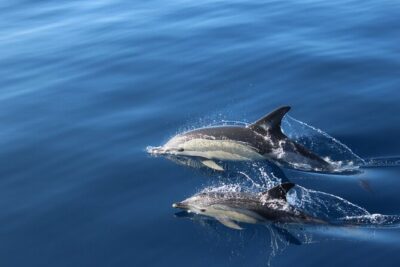
No chase Whale & Dolphin tour putting Marine Life first – we care
Read our review →
Browse the lists this tour appears in