
Reviewed · WINE TOURS
Tacoronte: Guided Winery Tour with Wine and Cheese Tastings
The most interesting part of this two-hour visit is how clearly Tenerife’s volcanic soil comes through in the wine. At Bodegas Monje, you learn how grapes grown in the Canary Islands produce styles that feel distinct from mainland Spanish wines, then taste four of them with carefully matched goat and sheep cheeses.
I like the family connection, with the Monje winery operating since 1750, and I like the tasting itself, which includes unusual pours such as the carbonic-macerated Hollera. The coastal views and handsome winery add plenty of atmosphere. The main drawback is that the tour may feel brief if you want a close look at the vineyard rows or a detailed lesson about each individual wine.
In This Review
- Key points to know before you go
- Arriving at Bodegas Monje in El Sauzal
- The Monje family story begins in 1750
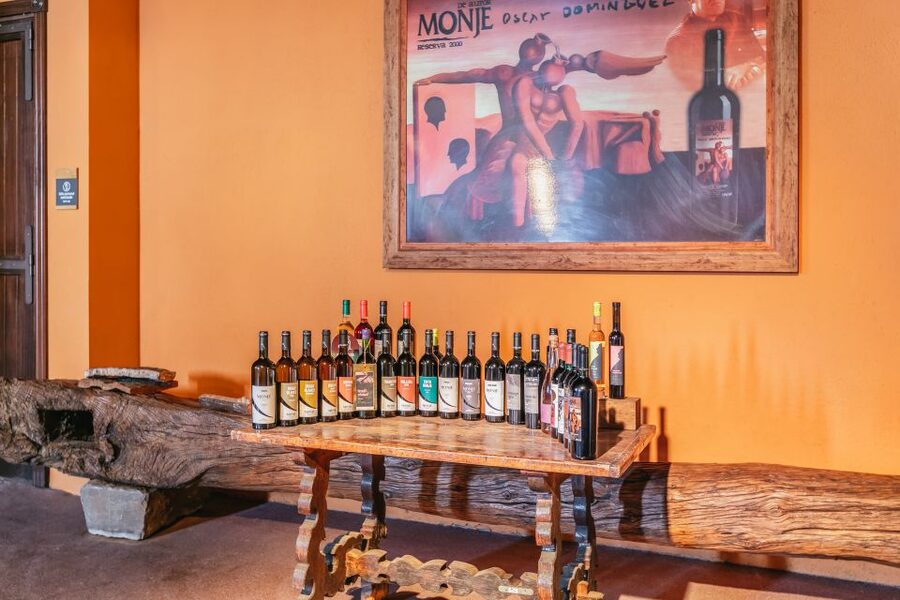
- Inside the winery and cellar
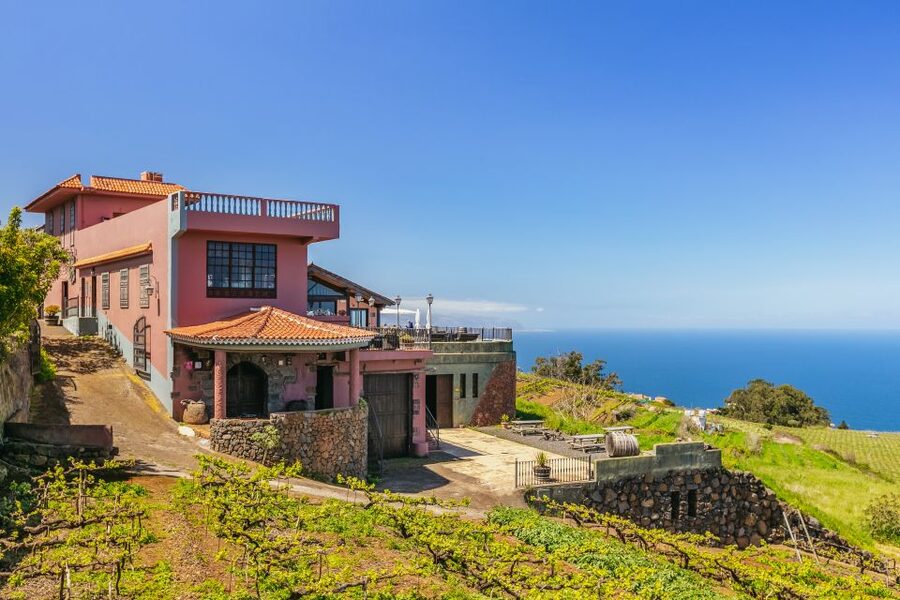
- Four Canary wines, matched with four cheeses
- Why the volcanic setting matters
- The views, terrace, and restaurant
- Is $41 a fair price?
- Who should book this winery visit?
- My verdict on Bodegas Monje
- FAQ
- Where does the winery tour take place?
- How long does the activity last?
- How many wines and cheeses are included?
- Which wines are tasted?
- What cheeses are included?
- Are English tours available?
- Is the tour wheelchair accessible?
Key points to know before you go
- Four wines and four cheeses: The tasting moves from a young white to several reds, paired with cheeses from Tenerife, La Palma, Fuerteventura, and Gran Canaria.
- A family winery since 1750: The tour connects modern production with the long-running Familia Monje story.
- Volcanic Canary wine: You learn about local grapes and the effect of Tenerife’s volcanic ground on the finished wine.
- A scenic El Sauzal setting: The winery has attractive views toward the coast and vineyards, with terraces where you can linger afterward.
- English and Spanish tours: English sessions on Saturdays and Sundays are scheduled at 11:00 AM and 4:00 PM.
- Good value at $41: The price includes the guided visit and four wine and cheese pairings, but not lunch or extra drinks.
Arriving at Bodegas Monje in El Sauzal
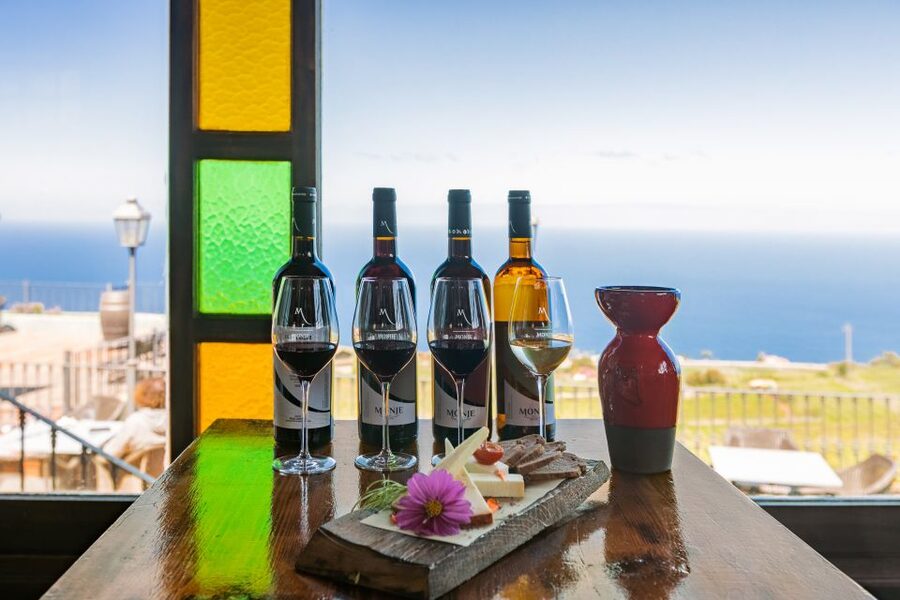
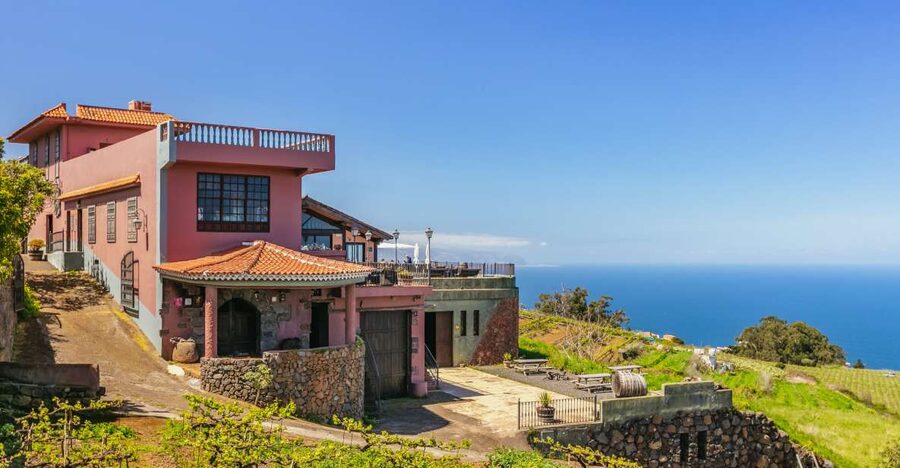
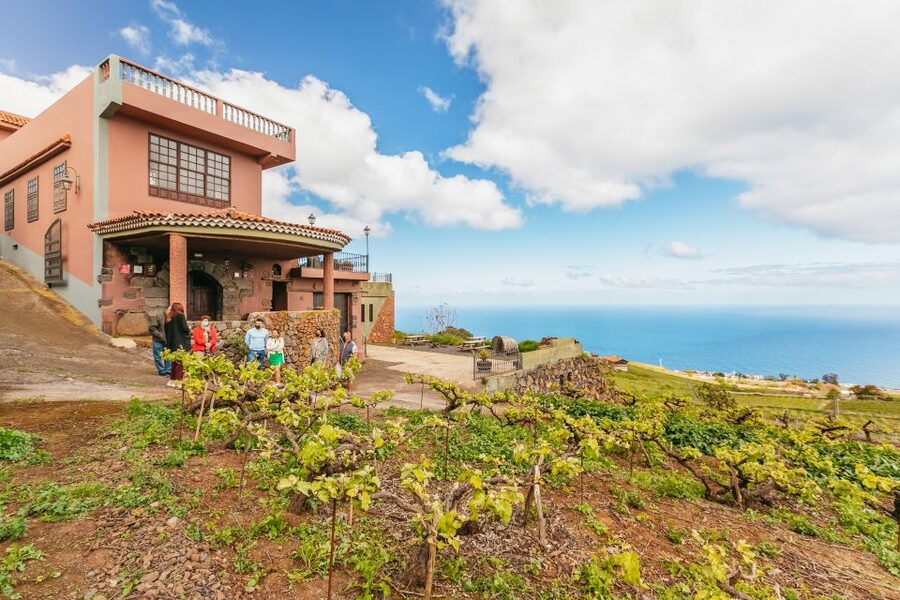
Bodegas Monje is in El Sauzal, in the north of Tenerife, at a meeting point called Bodegas Monje. This is a winery visit rather than a city-center tasting, so the setting matters as much as the drinks. You get vineyards, open coastal views, and a working family property instead of a polished tasting room with no sense of place.
The winery is in Santa Cruz de Tenerife province, and it works well as part of a day exploring the north of the island. If you are coming from a cruise ship, plan your transport carefully. One visitor arranged a taxi from the port for about €45 each way and found that the winery staff helped organize the return. That cost can affect the overall value, especially for solo visitors, but it may still compare favorably with a cruise line excursion.
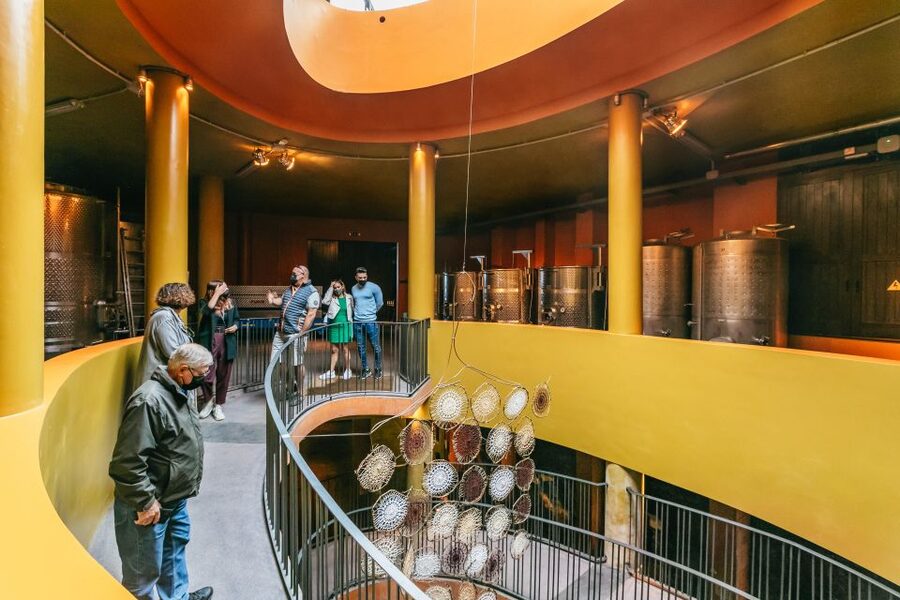
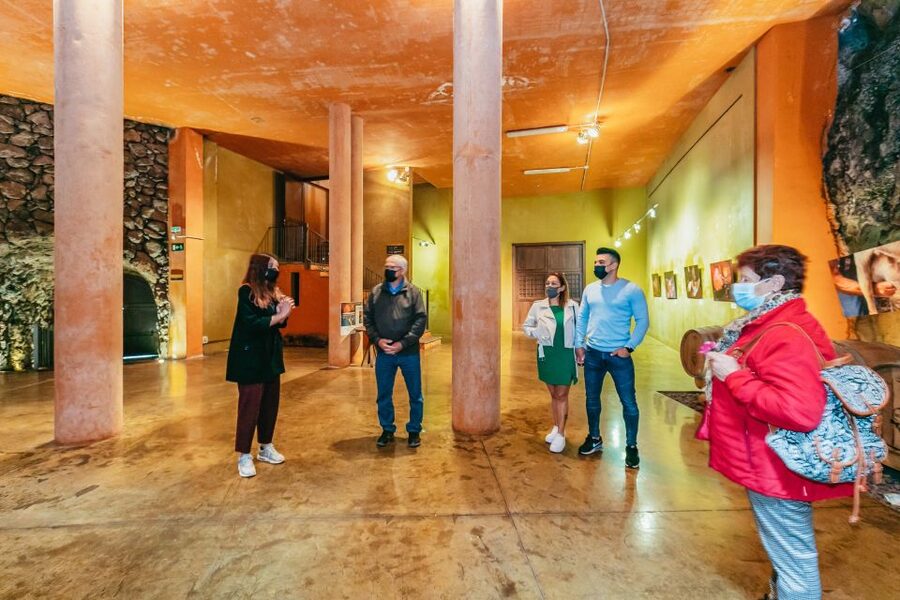
The building can seem modest at first, but it is larger inside than you might expect. The tour takes you through production areas and wine cellars, with time to see how the winery connects the vineyard, the barrels, and the bottle.
The property is also attractive enough to justify arriving with a little time to spare. Several people chose to stay for lunch afterward, and the restaurant is considered good, though one person found it expensive. Reserve ahead if you want to eat there, since the dining room can become busy.
More Tenerife wineries worth an afternoon:
- Tenerife: Wine Museum Ticket with Local Wines & Food Tasting
★ 4.5 · 393 reviews - Tenerife: Volcano Teide Buggy Tour with Wine Tasting & Tapas
★ 4.8 · 279 reviews - Tenerife: Full-Day Gastronomy and Wine Tour
★ 4.4 · 196 reviews
The Monje family story begins in 1750
Your guide starts with the history of the Familia Monje and its long connection to wine production. The winery has operated since 1750, giving the tour a useful sense of continuity. This is not just a lesson in grape varieties. It explains how a family business has carried winemaking through several generations on an island with its own growing conditions and traditions.
Guides have included Natalia and Caleb, both praised for making the subject clear and light. The quality of the guide can shape the whole visit, and the strongest sessions seem to combine facts with humor and personal enthusiasm. You may receive the tour in both English and Spanish at the same time. The English explanation is generally available, but one visitor found the guide spoke very quickly, while another felt the English portion received less detail than the Spanish portion.
That is worth keeping in mind if wine vocabulary is new to you. The talk can move quickly, particularly when the guide explains production methods and grape names. If you do not know much about wine, ask questions as you go rather than waiting until the tasting.
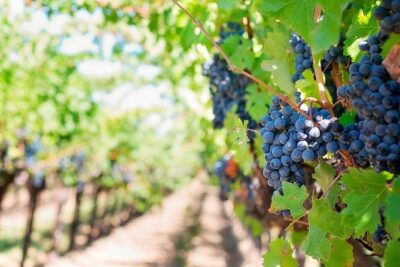
The visit gives you a broad picture of Canary wine, including the grape varieties grown in volcanic ground. It does not appear to be a long technical course in viticulture. One person would have liked more time among the grapevines, including an explanation of pruning and plant care. You can see vineyard areas and stroll around the property afterward, but the main guided portion concentrates on the winery and production spaces.
Inside the winery and cellar
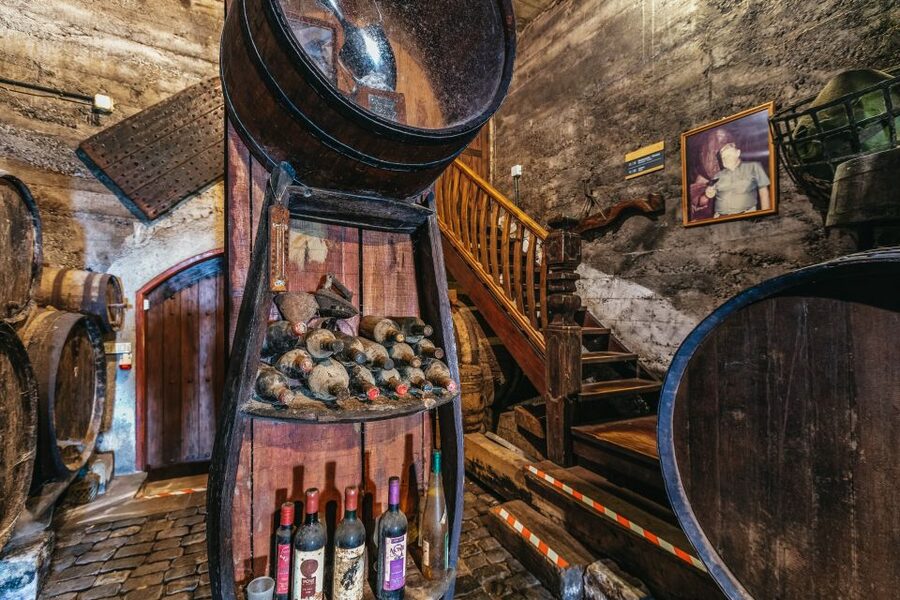
The production part of the tour helps connect the wine in your glass with the work behind it. You see areas used in the winemaking process and pass through cellar spaces where the atmosphere changes from bright views to cool, enclosed rooms.
The tour is not physically demanding. One account described it as moving from a balcony view of the vineyards into the wine cellars and production area, followed by the tasting. Wheelchair access is listed, which makes the experience more practical for many visitors, though you should still confirm current access details if you have specific mobility needs.
Expect the guided visit itself to feel shorter than the full two-hour booking window in some sessions. One person estimated the tour at slightly under an hour, with the tasting making up the rest of the visit. That is not necessarily a problem. The tasting is the main event, but you should not book this expecting a half-day vineyard walk.
The winery itself is part of the appeal. The interior has character, and the views give you a sense of Tenerife’s north coast. If the weather turns wet, much of the visit still takes place indoors, so the activity remains workable on a rainy day. The outdoor views are best treated as a bonus rather than the entire reason to come.
Four Canary wines, matched with four cheeses
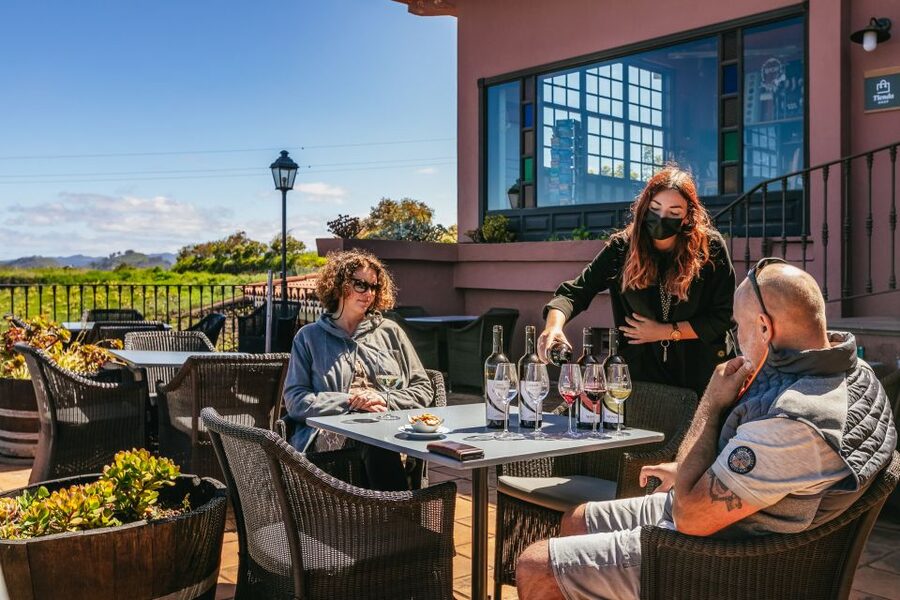
The tasting is arranged as a progression through four wines and four artisan cheeses. This pairing makes the experience more useful than simply sampling four unrelated glasses. You can compare the wines directly and see how salt, smoke, pepper, age, and milk type alter the taste.
The exact order begins with a young white called Dragoblanco. It is paired with fresh goat cheese from Tenerife. This is a clean, gentle opening to the tasting, and the fresh cheese lets you notice the wine without a strong smoky or aged flavor taking over.
Next comes Hollera, a young red made using carbonic maceration. This production method gives the wine a different profile from a standard young red, making it one of the more memorable pours in the lineup. It is served with smoked goat cheese from La Palma. The smoke in the cheese gives the pairing more weight and helps show why the wine was chosen.
The third pour is Monje Tradicional, a young red. It comes with a semi-cured, peppery goat cheese from Fuerteventura. The pepper and firmer texture give this course a sharper edge than the opening pairings. If you enjoy tasting side by side, this is a good moment to notice how a cheese with more seasoning changes the impression of a young red.
The final wine is a barrel-aged Listán Negro, a red made from a grape associated with the Canary Islands. It is paired with cured cheese made from goat and sheep milk from Gran Canaria. This is the most mature and substantial pairing of the four, ending the tasting with firmer cheese and a red that has spent time in wood.
The cheeses are not an afterthought. They come from several Canary Islands, giving the tasting a small tour of regional dairy traditions as well as local wine. Some people found the cheeses exceptional, while one person described them more modestly as simply good. That difference is normal with cheese preferences, but the pairings themselves are a strong part of the visit.
You may also receive small accompaniments such as nuts or berries, though the core inclusion is four wines with four cheeses. Additional food and drinks cost extra.
A few more Tenerife trips worth comparing
- Tenerife Bodegas Monje Winery Tour with Wine and Cheese Tasting
★ 4.5 · 121 reviews - Tenerife – Farm Tour with Cheese Tasting
★ 4.9 · 54 reviews
Why the volcanic setting matters
Canary wine is not just Spanish wine served on an island. Tenerife’s volcanic ground and island climate help explain why these bottles can taste unfamiliar if your reference point is Rioja, Bordeaux, or other better-known European regions.
The tour introduces you to grapes grown in this unusual setting and shows how local winemakers work with those conditions. The experience is most useful if you approach it with curiosity rather than trying to decide which wine tastes most like something from home.
The white and red lineup gives you range, but this is not a formal sommelier class. The explanations focus on the winery, the wines, and the pairing choices. If you want exact details about acidity, aging, or production for every bottle, ask specific questions during the tasting. One person felt the individual wines could have received more explanation.
Hollera is likely to be the most surprising glass for many people. The carbonic maceration method gives it a style that some visitors had never tasted before. The Listán Negro provides a useful contrast, showing how barrel aging changes a red wine compared with a younger bottle.
The views, terrace, and restaurant
The setting earns its place in the itinerary. From the property, you can look across vineyard areas toward the coast, and the view adds a pleasant pause before or after the tasting. Several people stayed on after the formal activity simply to enjoy the surroundings.
The belvedere terrace is particularly suited to lingering with a glass or taking photographs. You may also stroll around the premises after the tour. That extra time helps compensate for the limited vineyard walking during the guided portion.
If you want lunch, make a separate reservation. The restaurant can get busy, and its prices may be higher than a casual local meal. Still, staying for lunch can turn a two-hour activity into a relaxed half-day stop, especially if you are already exploring northern Tenerife.
The winery shop is another practical bonus. You can buy bottles and other products after the tasting, though air passengers may find it difficult to carry much wine home. Check your airline and luggage arrangements before buying more than you can transport comfortably.
Is $41 a fair price?
At $41 per person, this is a solid value if you appreciate both wine and food. The price covers the guided winery visit and four wine and cheese tastings, not just a single sample or a short presentation.
The value improves if you would otherwise pay separately for a tasting and a sightseeing stop. You get local history, an introduction to Canary grapes, access to the winery, four wines, four cheeses, and a scenic setting in one two-hour activity.
The price is less attractive if you want a long vineyard walk, a technical winemaking workshop, or a full meal. Lunch, extra drinks, transport, and purchases from the shop are additional. A taxi from the port can also make the total outing much more expensive, especially for one person.
For a solo visitor, the tour works well because the structured tasting gives the visit a social rhythm without requiring a group. It also suits couples and small groups, including people who do not normally drink much wine. One person noted that their partner was not a wine drinker but still enjoyed the tasting.
Who should book this winery visit?
I would recommend Bodegas Monje to anyone who wants a manageable introduction to Tenerife wine without committing a whole day. It is especially good for:
- Wine drinkers curious about volcanic soil and Canary grape varieties
- Food lovers who enjoy cheese pairings
- Solo visitors looking for a well-organized activity
- Couples wanting a scenic stop with an easy pace
- Cruise passengers who can arrange transport independently
- Visitors interested in family-run businesses and local production
You should think twice if your ideal winery tour means walking through extensive fields, watching every stage of production in detail, or tasting a large number of wines. The vineyard walk is limited, the guided portion may feel short, and English explanations can sometimes move fast.
The activity is available in Spanish and English, with English tours listed at 11:00 AM and 4:00 PM on Saturdays and Sundays. Check the available start time for your date. You can cancel up to 24 hours ahead for a full refund, and the reserve now, pay later option keeps your plans flexible.
My verdict on Bodegas Monje
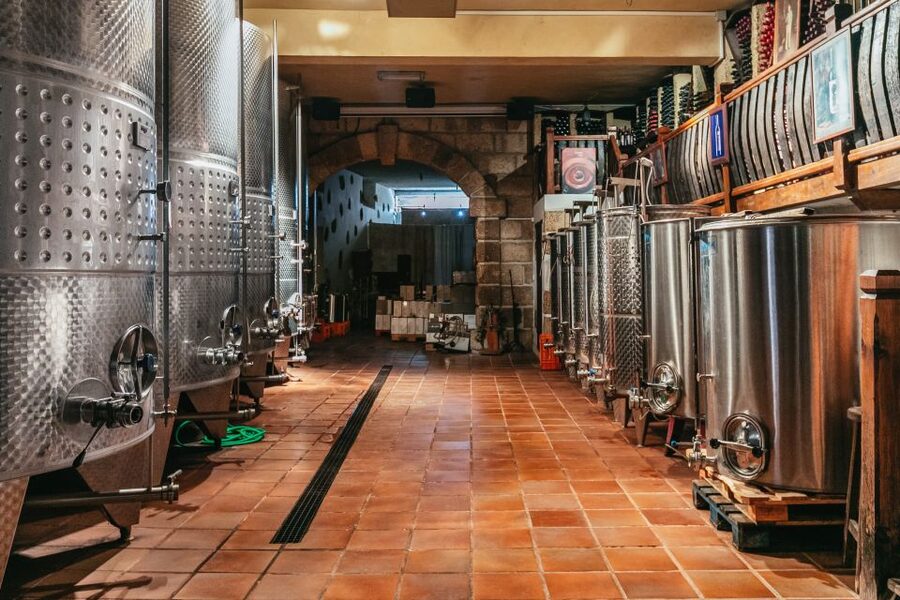
Bodegas Monje succeeds because it combines three things that work well together: a genuine family winery, distinctive island wines, and excellent regional cheese. The most rewarding part is not simply drinking four glasses. It is learning why each cheese was placed beside each wine and seeing how the Canary Islands produce food and wine with a clear sense of place.
I would book it if you want a scenic, two-hour taste of northern Tenerife and are happy with an overview rather than an intensive vineyard course. Arrive with questions, allow time for photographs, and reserve lunch if you plan to stay. If you are comparing this with a cruise excursion, arranging your own transport may offer better value, but calculate the taxi cost first.
FAQ
Where does the winery tour take place?
The meeting point is Bodegas Monje in El Sauzal, Tenerife, in Santa Cruz de Tenerife.
How long does the activity last?
The stated duration is two hours. The guided winery portion may be shorter in some sessions, with the wine and cheese tasting making up much of the remaining time.
How many wines and cheeses are included?
The tasting includes four wines paired with four types of artisan cheese.
Which wines are tasted?
The listed wines are Dragoblanco, Hollera, Monje Tradicional, and Listán Negro.
What cheeses are included?
The pairings include fresh goat cheese from Tenerife, smoked goat cheese from La Palma, semi-cured peppery goat cheese from Fuerteventura, and cured goat and sheep milk cheese from Gran Canaria.
Are English tours available?
Yes. The activity is offered in Spanish and English. On Saturdays and Sundays, English tours are scheduled at 11:00 AM and 4:00 PM.
Is the tour wheelchair accessible?
Yes, wheelchair access is listed for the activity.
Recently added around Tenerife
- Tenerife: Luxury Private Whale & Dolphin Watching Tour★ 4.9 · 14 reviews
- Teide National Park: Moonlight Tour & Stargazing Experience★ 5.0 · 14 reviews
- Discover Scuba Diving, free pictures included★ 5.0 · 14 reviews
- private charter 3 Hours Whale Encounter puerto colon adeje★ 5.0 · 14 reviews
- Ticket to Aqualand Tenerife★ 4.0 · 15 reviews
- Forest & Off Road National Park Quad Biking Tour★ 5.0 · 14 reviews
- Tenerife Under The Sea – dive into 1-1 personalised experience★ 5.0 · 15 reviews
- Wine Tasting Experience in Tenerife★ 4.5 · 15 reviews
Wine Tours, compared.
Wine Museum Ticket with Local Wines & Food Tasting
Read our review →
Tenerife Gastronomy Tour with Two Winery Visits and 4-Course Lunch
Read our review →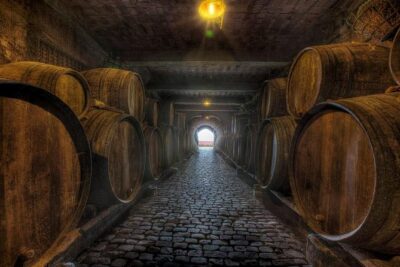
Tenerife Bodegas Monje Winery Tour with Wine and Cheese Tasting
Read our review →
Bodegas Monje Winery Ticket w/Wine Tasting & Mojo Sauce Workshop
Read our review →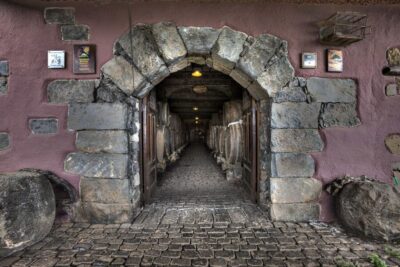
Browse the lists this tour appears in