
Reviewed · COSTA ADEJE TOURS
Costa Adeje | Cetacean sighting in Tenerife South
The best part of this Costa Adeje boat trip is its quiet, close-to-the-water approach. Papacho 2 carries no more than 10 passengers, and the boat’s engines are switched off near the animals. You may see pilot whales, dolphins, turtles, and seabirds without the noise and crowding common on larger excursions. The hydrophone is a real highlight, letting you hear the animals communicate beneath the surface.
I like the small group, which gives you plenty of time to ask biologist David questions. I also like the conservation-minded rules: the crew waits rather than chases, leaves an area if too many boats are present, and may collect floating plastic along the way. The main drawback is simple: wildlife is wild, and sightings cannot be promised. The open sea can also be rough, so take motion-sickness medicine before departure if you are prone to nausea.
In This Review
- Key points to know before booking
- Why Tenerife’s south coast suits a cetacean trip
- Meeting the crew at Puerto Colón
- A small boat changes the wildlife viewing
- Watching pilot whales without chasing them
- Dolphins, turtles, seabirds, and lucky surprises
- Hearing the ocean through the hydrophone
- Conservation is part of the outing
- What the 2.5-hour schedule feels like
- Price, timing, and who gets good value
- Practical advice for a comfortable outing
- Should you book Atlantic Eco Experience?
- FAQ
- Where does the cetacean tour start?
- Where does the activity finish?
- How long does the experience last?
- How many people can join the boat trip?
- What animals might I see?
- Will I hear the whales?
- Are the boat engines running near the animals?
- Is the tour available in English?
- Can I bring a service animal?
- What happens if the weather is poor?
Key points to know before booking
- Papacho 2 carries up to 10 passengers, giving you a far more personal outing than a large sightseeing boat.
- The engines are turned off near cetaceans, so you can watch and listen without adding unnecessary noise.
- Biologist David explains the animals and their habitat, with skipper and crew members such as Mirna, Marina, and Claudine helping with identification and photography.
- A hydrophone brings whale sounds into the boat, adding a powerful listening element to the visual sightings.
- The usual duration is about 2 hours 30 minutes, with the trip beginning and ending at Puerto Colón in Costa Adeje.
- Sun protection matters, since you spend much of the trip in full sun on the open water.
Why Tenerife’s south coast suits a cetacean trip
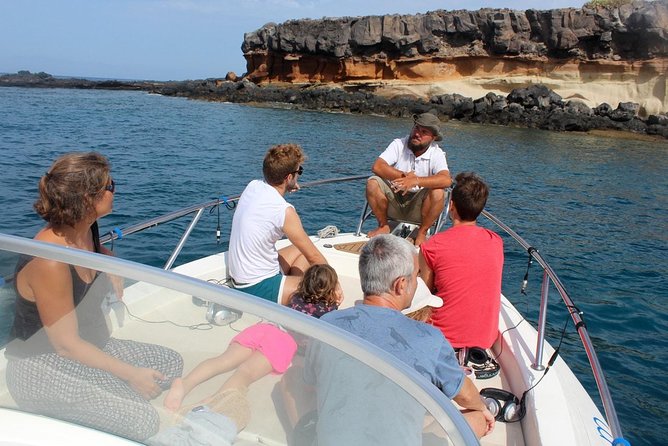
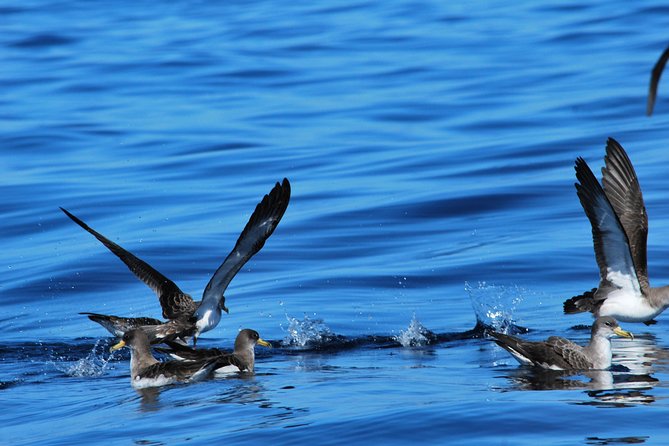
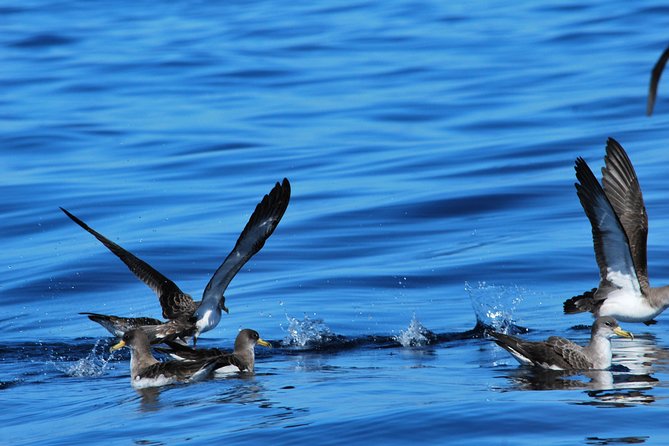
Tenerife’s south coast is one of the island’s best bases for seeing marine life. The waters off Costa Adeje are home to short-finned pilot whales, and the trip may also produce dolphins, porpoises, sea turtles, flying fish, and seabirds such as Cory’s shearwaters.
The setting helps explain the variety. Tenerife rises dramatically from the ocean floor, creating very deep water not far from shore. That gives large marine animals access to feeding areas without a long boat ride from the marina. You are not simply cruising for a pretty view. You are visiting an active marine habitat.
The focus here is on observation rather than spectacle. The crew approaches groups carefully, then slows or stops so the animals can decide how close they want to come. That can mean a whale surfaces near the boat, or it can mean several quiet minutes of waiting. For me, that patience is an important part of the experience. You are watching animal behavior, not directing a show.
More around Costa Adeje:
- Costa Adeje: Whale & Dolphin Eco-Cruise with Snacks & Drinks
★ 4.6 · 5,096 reviews - Costa Adeje: Whale Watching Catamaran Tour with Drinks
★ 4.7 · 3,653 reviews - Whale Watching Eco-Adventure from Costa Adeje
★ 5.0 · 2,066 reviews
Meeting the crew at Puerto Colón
The meeting point is at Av. de Colón, 4, in Costa Adeje, at Puerto Colón Marina. The departure area is described as Gate 4, so allow enough time to find the correct entrance and meet the crew before the agreed departure time.
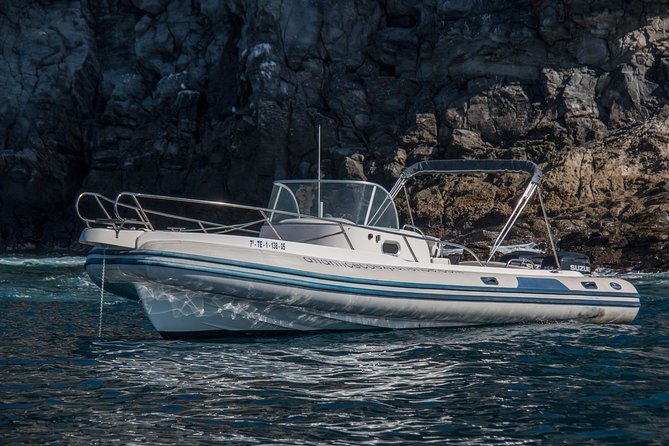
You will board Papacho 2 with a maximum of 10 passengers. Some departures may have fewer people, which makes it easier to move around the boat and gives you more direct contact with the guides. That small capacity is one of the main reasons this trip costs more than a basic large-boat cruise.
The crew begins with an introduction to the animals you may encounter and the conservation rules used during the outing. David is the biologist and guide most often associated with the educational side of the trip. Skippers and crew members named in the available information include Mirna, Marina, and Claudine. The exact team may vary, but the format remains the same: a marine biology explanation paired with careful boat handling.
This is not a party cruise. You should not book it expecting loud music, a big meal, or a floating bar. The reward is time on the water with a crew focused on cetaceans and the wider ocean.
A small boat changes the wildlife viewing
A 10-person boat gives you a practical advantage. You do not need to fight a crowd for a view, and you can usually see from different parts of the boat as animals surface. A low boat also places you close to the water, which makes a nearby pilot whale feel far more immediate than it would from a high deck.
The crew may use photographs of dorsal fins to identify individual pilot whales and their family groups. That turns a brief sighting into a lesson about social structure and ongoing research. You are not just told that a group of whales is present. You may learn that some members are familiar to the crew and can be recognized again.
The boat’s size does bring tradeoffs. It offers less room than a large catamaran, and the open sea can feel lively underfoot. One passenger described becoming sick despite taking precautions, so I would take seasickness seriously. If you know you are sensitive, take your preferred medicine before the boat leaves, not after the waves begin.
A smaller craft also means you should follow crew instructions closely. Stay seated or hold on when the sea is choppy, and keep your belongings secure. The trip is suitable for most people, but accessibility depends on your mobility needs and on sea conditions. Contact the company before booking if you need specific assistance boarding the boat.
Watching pilot whales without chasing them
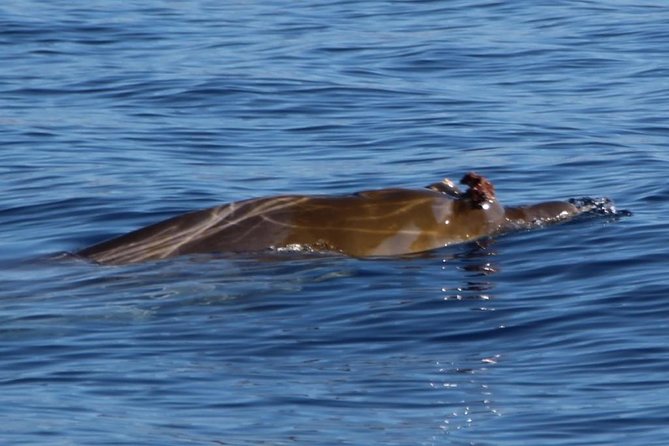
Short-finned pilot whales are the main attraction in the waters around Tenerife. The crew explains how these social whales live in family groups and hunt for squid at great depths. The information provided during the trip can include remarkable details, such as their ability to reach more than 1,000 meters and remain underwater for up to 21 minutes.
You might see a family group surface together, including young whales. You might also see one animal roll, lift its head, or disappear for a longer interval before returning. The crew’s job is to interpret these actions without interrupting them.
The boat shuts off its engines during sightings. At times, the crew simply allows the boat to drift while the whales surface around you. This can feel slower than a fast chase, but it is the point. You get a calmer view, and the animals set the pace.
The guides may also leave an area if several other boats are already watching. That choice can reduce your viewing time in one spot, yet it shows that the experience takes the animals’ welfare seriously. It also keeps the encounter from becoming a noisy cluster of boats surrounding one family group.
A completely different side of the island:
- Siam Park Entry Tickets
★ 4.5 · 15,710 reviews - Tenerife: Eco-Yacht Whale and Dolphin Watching and Swimming
★ 4.7 · 15,619 reviews - Los Cristianos Respectful No-Chase Whale and Dolphin Safari
★ 4.6 · 12,782 reviews - Tenerife: Loro Parque Entry Ticket
★ 4.8 · 12,411 reviews
Dolphins, turtles, seabirds, and lucky surprises
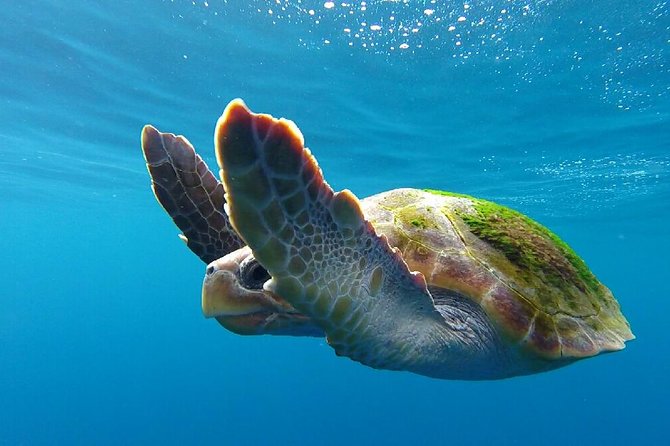
Pilot whales are not the only possibility. Sightings described during this experience include dolphins, porpoises, loggerhead turtles, flying fish, and seabirds. Some outings have produced striped dolphins, while others have included a larger whale believed to be a fin whale. One especially unusual report describes three orcas, but that should be treated as a rare bonus, not an expected part of the trip.
That variety keeps the 2.5 hours interesting. If whales are resting below the surface, the crew can draw your attention to birds riding the wind, turtles at the surface, or flying fish skimming away from the boat. The guide’s role matters here because small details are easy to miss when you do not know what to watch for.
The crew can also take photographs for identification and may share images after the trip through WhatsApp. This is not guaranteed as a formal inclusion in the tour description, but it has been part of some outings. You should still bring your own camera or phone, while keeping it protected from spray.
Remember that sightings vary by day. The trip requires good weather, but good weather does not guarantee a particular species. A careful operator cannot promise whales at a certain distance or dolphins leaping beside the boat. That uncertainty is part of responsible wildlife watching.
Hearing the ocean through the hydrophone
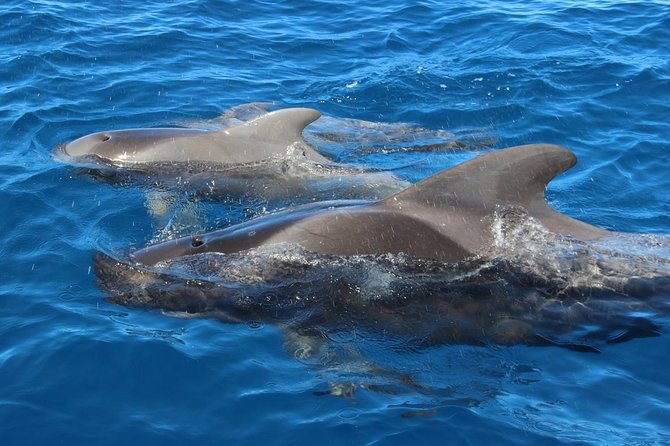
The hydrophone is the feature that gives this trip more depth than a simple animal-spotting cruise. When the boat is stopped, the crew lowers an underwater microphone so you can hear the sounds made by whales. Pilot whale calls can be haunting, sharp, and surprisingly complex.
Listening changes the encounter. Instead of waiting only for a fin or blow, you begin to think about the animals below the surface and how they communicate or search for food. It gives children a clear way to connect sound with behavior, and it adds a memorable scientific element for adults.
The hydrophone does not guarantee constant sound. The crew can use it when conditions and animal behavior make that appropriate. Still, the chance to hear cetaceans in their own environment is one of the strongest reasons to choose this outing over a standard coastal cruise.
Conservation is part of the outing
Atlantic Eco Experience presents the trip as an educational and conservation-focused activity. The biologist discusses the animals, the pressures affecting the ocean, and the rules that protect cetaceans. The crew’s conduct is as important as the explanations.
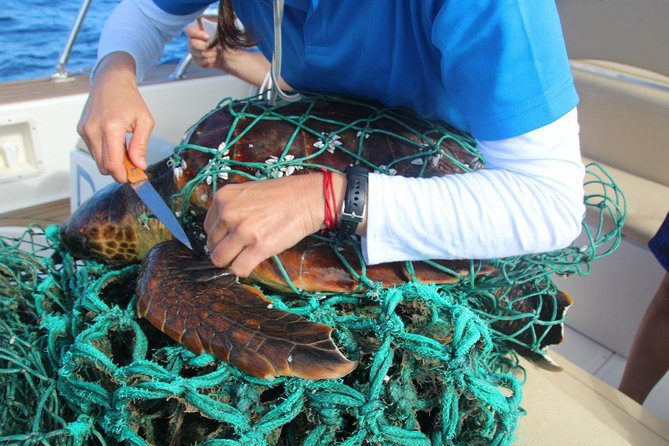
You can expect the boat to respect distance, avoid interfering with natural behavior, and stop its engines during close observation. On some trips, the group has collected plastic rubbish floating at sea. That small action does not solve the larger pollution problem, but it makes the connection between tourism and ocean care plain.
The guides also record observations and use photographs to identify individual whales. This suggests a research-minded approach rather than a simple ride around looking for fins. You get a better experience when the crew treats each encounter as an opportunity to understand the animals, not simply photograph them.
The Blue Flag certification associated with the whale-watching organization is another sign of its environmental standards. Certification alone cannot guarantee perfect conduct on every outing, but the operating practices described here support the claim that animal welfare comes first.
What the 2.5-hour schedule feels like
The full activity lasts approximately two hours and 30 minutes. After meeting at the marina and receiving an introduction, you head out from Puerto Colón and begin searching the coastal waters.
The timing is long enough to allow patience. The boat may move between areas, slow down, or wait quietly when cetaceans are nearby. You are not being rushed from one photo stop to another. That makes the experience more natural, but it also means there can be stretches when nothing dramatic happens.
Once an animal group is located, the guide explains what you are seeing and how the crew is behaving around it. The engines may be switched off, and the hydrophone may be used. The outing then returns to the original meeting point.
A cold drink may be offered toward the end, and there are toilet facilities below deck. Bring water anyway, especially on a hot day. The boat is exposed to the sun for much of the trip, and the sea breeze can make you underestimate how quickly you are burning.
Price, timing, and who gets good value
The listed price is $71.35 per person. That is not the cheapest way to get on the water around Costa Adeje, but the comparison should be made with the kind of boat and guide you receive. You are paying for a maximum group of 10, a biologist-led interpretation, a skipper focused on careful wildlife viewing, and the hydrophone experience.
For a family, the value is especially strong if your children enjoy animals and ask questions. One seven-year-old reportedly stayed engaged for the entire 2.5-hour outing, which says a lot about the guide’s ability to make the science accessible. The trip also suits adults who want more than a quick photograph.
I would choose this over a larger boat if you care about quiet observation and personal attention. I would not choose it if your priority is a party atmosphere, a full lunch, or guaranteed close-up action. A large vessel may offer more space and more onboard amenities, while this trip puts its resources into the guide, boat handling, and marine care.
The activity is often booked about 17 days ahead on average. That is useful planning information for a popular holiday period, although availability can change. Confirmation arrives within 48 hours, subject to availability, so do not assume the booking is final until you receive it.
Practical advice for a comfortable outing
Bring a sun hat with a chin toggle or other secure fastening. A loose hat can disappear quickly in the wind. Sunglasses, sunscreen, and drinking water are essential because you are exposed to full sun even when the air feels cool.
Wear clothing suited to spray and changing temperatures. The supplied information does not specify a dress code, so practical layers are the sensible choice. Keep phones and cameras protected when the boat is moving.
If you suffer from motion sickness, prepare before departure. The sea can be rough, and even a sturdy boat will not remove every movement. Sit where the crew recommends and tell them early if you feel unwell.
Service animals are allowed. The activity is near public transportation, and most people can participate. For reduced mobility, contact the company before booking because boarding access depends on the type of mobility limitation and the sea conditions on the day.
Free cancellation is available up to 24 hours before the start time for a full refund. Changes or cancellations made less than 24 hours before departure are not accepted for a refund. Poor weather or failure to reach the minimum number of passengers can lead to cancellation, in which case you are offered another date, another experience, or a full refund.
Should you book Atlantic Eco Experience?
I would book this tour if you want a small, serious wildlife outing rather than a general boat ride. The strongest reasons are the 10-person limit, the patient approach to whales, the hydrophone, and the chance to learn from David and the crew while watching real animal behavior.
Go with realistic expectations. You may see several pilot whale families, dolphins, turtles, or seabirds, and you may be lucky enough to encounter something rarer. You may also spend time waiting in open water. That is not a flaw in the tour. It is the honest rhythm of watching wild animals.
Book it if conservation, quiet viewing, and expert explanation matter to you. Skip it if you want food, music, guaranteed sightings, or a broad sightseeing cruise. For an intimate and thoughtful look at Tenerife’s marine life, the price is fair, and the experience offers far more than a quick glimpse over the side of a crowded boat.
FAQ
Where does the cetacean tour start?
The tour starts at Av. de Colón, 4, 38660 Costa Adeje, Santa Cruz de Tenerife, at Puerto Colón Marina. The departure area is identified as Gate 4.
Where does the activity finish?
The boat returns to the original meeting point at Puerto Colón.
How long does the experience last?
The activity lasts approximately 2 hours and 30 minutes.
How many people can join the boat trip?
The maximum group size is 10 passengers.
What animals might I see?
Possible sightings include pilot whales, dolphins, porpoises, sea turtles, seabirds, flying fish, and other whale species. Sightings depend on conditions and animal behavior.
Will I hear the whales?
The crew uses a hydrophone during suitable sightings, allowing you to hear underwater sounds used by whales for communication or hunting.
Are the boat engines running near the animals?
The engines are completely switched off during sightings to reduce disturbance.
Is the tour available in English?
Yes. The experience is offered in English and includes a biologist guide.
Can I bring a service animal?
Yes, service animals are allowed.
What happens if the weather is poor?
If poor weather causes the activity to be canceled, you will be offered another date or a full refund. The same options apply if the minimum number of passengers is not reached.
Recently added around Tenerife
- Tenerife: Luxury Private Whale & Dolphin Watching Tour★ 4.9 · 14 reviews
- Teide National Park: Moonlight Tour & Stargazing Experience★ 5.0 · 14 reviews
- Discover Scuba Diving, free pictures included★ 5.0 · 14 reviews
- Forest & Off Road National Park Quad Biking Tour★ 5.0 · 14 reviews
- private charter 3 Hours Whale Encounter puerto colon adeje★ 5.0 · 14 reviews
- Ticket to Aqualand Tenerife★ 4.0 · 15 reviews
- Tenerife Under The Sea – dive into 1-1 personalised experience★ 5.0 · 15 reviews
- Wine Tasting Experience in Tenerife★ 4.5 · 15 reviews
Costa Adeje Tours, compared.
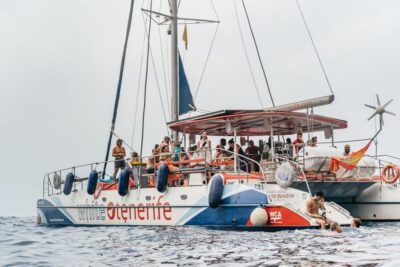
Whale & Dolphin Eco-Cruise with Snacks & Drinks
Read our review →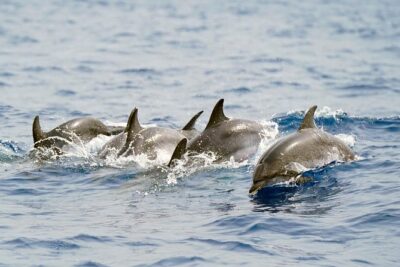
Whale Watching Eco-Adventure from Costa Adeje
Read our review →
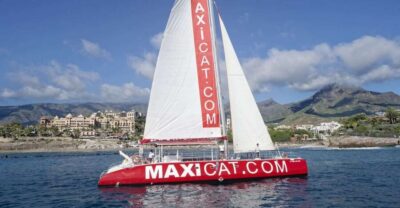
Whale and Dolphin Cruise with Food and Pickup
Read our review →

Browse the lists this tour appears in